
Turning rainwater into drinking water – how to make rainwater safe for drinking
Rainwater harvesting is becoming increasingly popular around the world. Whilst many people collect rainwater for non-potable...

Rainwater harvesting is becoming increasingly popular around the world. Whilst many people collect rainwater for non-potable...

Rainwater is naturally pure but can collect pollutants from air, roofs, and storage. Proper filtration and treatment make it...

Rainwater tanks are not compulsory across Australia, but regulations vary by state. Some states require them for new builds,...
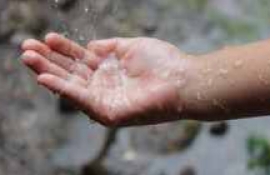
No matter where you are in the world, the water always tastes different from the tap to what you are used to. This change in...

Collecting rainwater in the US is legal in most states, with only Colorado and Utah imposing restrictions, while progressive...

Rainwater contains nutrients like nitrogen, phosphorus, and potassium, making it naturally beneficial for plants, balancing s...

Filter rainwater using basic screens for debris, and for drinking water add UV light, carbon, or membrane filters, plus chlor...
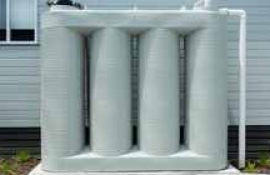
Modern water tanks collect rainwater from roofs, filtering debris and contaminants. For potable use, additional treatment lik...
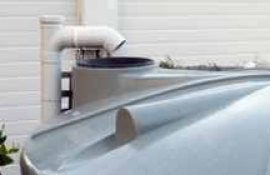
Smart sensors offer accurate water level readings, track consumption, predict refill needs, and enable remote monitoring via...

Water tanks should be cleaned at least once a year, with some experts recommending cleaning every 2-3 years, depending on roo...
Archive
