
 Shopping Cart
31 March 2026
Keeping Tabs: Why Monitoring Water Levels Matters
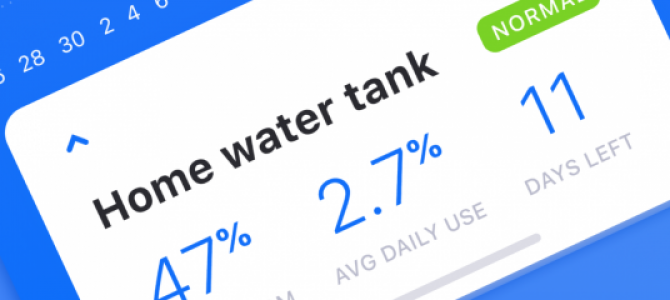
Monitoring water levels helps prevent outages, reduce water waste, catch leaks early, and improve decision-making for homes, farms, and businesses. In 2026, the strongest water management strategies combine real-time monitoring, remote alerts, and proactive maintenance, supported by current evidence showing that household leaks can waste nearly 10,000 gallons a year and that smart monitoring can quickly surface hidden problems. Smart Water’s starter packs and connected tank systems are designed to make that kind of visibility practical for everyday users and property owners.
Water is not just a utility. It’s a critical input for households, rural properties, farms, commercial sites, and community infrastructure. When water levels are not monitored, the result can be simple inconvenience at best and expensive damage, supply disruption, or preventable waste at worst.
In 2026, monitoring water levels is no longer just about checking whether a tank is full. It’s about using real-time information to make better decisions, reduce avoidable losses, and keep systems running efficiently. The people and businesses that get the best outcomes are the ones who treat water visibility as a core operational habit rather than an occasional check-in.
Why water level monitoring matters
Water monitoring matters because it turns guesswork into evidence. Instead of waiting for a tank to run dry, a pump to fail, or a leak to become visible, you can see changes early and act before they become costly.
This is especially important in drought-prone periods, rural properties, and sites where water storage is part of daily operations. Watercare’s current planning for Auckland still reflects the broader reality facing many regions: supply resilience, demand management, and climate impacts remain active concerns, not abstract future risks.
Monitoring also supports better water stewardship. The U.S. EPA continues to highlight that household leaks waste substantial volumes of water every year, which shows how much hidden waste can sit behind everyday systems if nobody is watching them closely. For homes and businesses alike, the message is simple - visibility creates control.
The real cost of not monitoring
When water levels are not monitored, problems often stay hidden until they are expensive. A slow leak, an overflowing tank, or a pump running too long can waste water, damage equipment, and increase running costs.
Household leaks alone can waste nearly 10,000 gallons per year, according to EPA reporting cited in 2026 guidance, and that figure is before you account for larger rural, agricultural, or commercial systems. In commercial and multi-site environments, the cost is not only the lost water itself; it’s also the labour, downtime, and reputational damage associated with avoidable failures.
For many property owners, the biggest issue is not that water is expensive. It’s that the consequences of waste are hard to see until the system is already under stress. That is why modern monitoring has become a risk-management tool, not just a convenience.
What modern monitoring looks like
Traditional water checks rely on manual inspection. That can work for very small setups, but it is limited because it only gives you a snapshot in time. If conditions change after the check, you do not know until later.
Modern systems add continuous visibility. A smart water tank level indicator can provide remote readings, trend data, and alerts so users can spot unusual drops or unusual behaviour before the tank runs dry or overfills. This is where Smart Water’s connected starter packs are especially relevant, because they give users a practical entry point into remote monitoring without requiring a large-scale infrastructure project.
For many users, the best setup is the one that is easy to install, easy to understand, and easy to act on. That is why starter packs matter. They remove friction and help more people move from reactive checking to proactive water management.
What makes monitoring more valuable in 2026
The biggest shift in 2026 is that water monitoring is now expected to do more than display a number. It needs to support faster decisions, better maintenance habits, and clearer accountability.
A strong monitoring system can help users:
- Detect leaks earlier.
- Prevent tanks from running dry.
- Identify abnormal usage patterns.
- Reduce unnecessary site visits.
- Improve pump and supply planning.
- Support more efficient maintenance scheduling.
This matters because the smartest systems don’t just tell you what happened. They help you understand what to do next. That is a key differentiator in a market where many businesses still talk about sensors, but fewer explain how monitoring data becomes real-world action.
Why this is bigger than convenience
Water level monitoring is often marketed as a convenience feature, but that undersells its value. It supports resilience, sustainability, and operational continuity.
For homeowners, it can mean avoiding surprise shortages during busy periods or dry weather. For farms and rural properties, it can help protect livestock, irrigation schedules, and daily workflows. For businesses, it can reduce service interruptions and help prevent waste that affects both costs and sustainability reporting.
There is also a climate resilience angle. Water systems are under more pressure from variability in rainfall, demand peaks, and longer dry spells, which is why current water planning documents and national water reports continue to emphasise monitoring, preparedness, and adaptive management.
Why Smart Water is well placed
Smart Water is a New Zealand business with local research, development, and manufacturing based in Auckland. We understand local conditions, local use cases, and the realities of New Zealand properties and water systems, making us the best choice if you are looking to actively monitor your water tank levels here in New Zealand.
Whilst we do have a focus on the domestic market here in New Zealand, we have also made it our business to understand how our technology can help to solve water monitoring issues globally and that’s why are products are also available in the United States, Australia, Canada, and parts of South America.
We also have a product history built on practical design and user needs, with our SW900 series evolving over more than 10 years of research and development. That matters because buyers increasingly want solutions that are proven, not just trendy.
If you are exploring options, start here:
These pages will help you to understand more about our range of products and how we can help you to solve your water monitoring needs. You can also read testimonials that offer support in showing how our products perform in real-world environments around the globe.
What other businesses often miss
Whilst a lot of site will talk about the need to “monitor your water levels to save water”, we go a few steps further. Whilst it is true that monitoring your water levels can save you water, it’s incomplete. You also need to understand more about how water tank level indicators can do the following:
- How monitoring reduces hidden operational risk.
- Why remote visibility matters more than occasional manual checks.
- How early alerts help avoid damage, not just waste.
- Why a product should be easy to install and use.
- Why local support and local manufacturing can matter for buyers.
We have found through talking to our customers that what they want isn’t necessarily a sensor. They want certainty, fewer surprises, and a system they can trust. Our Smart Water tank monitoring system offers just that.
How to choose the right setup
The right setup depends on how many tanks you have, how often they need to be checked, and whether you want mobile visibility or a wall-mounted or desktop display. If you are starting from scratch, a starter pack is often the simplest way to get a complete system in place.
A good buying decision should consider:
- Tank count.
- Desired display type.
- Remote access needs.
- Installation simplicity.
- Ongoing support.
- Expansion potential.
If you want to compare real-world feedback, the testimonials page is also a valuable trust signal because it shows how the system performs for actual users.
Water monitoring and sustainability
Sustainability is no longer just a brand value. It’s part of day-to-day operations for property owners, councils, farms, and businesses. Current official and sector sources continue to show the importance of reducing waste, improving leak detection, and using water more efficiently.
That’s why water monitoring deserves to be framed as a sustainability action, not just a technical upgrade. Every hidden leak found earlier and every tank level checked remotely contributes to less waste, fewer avoidable callouts, and better use of existing supply.
Conclusion
Water level monitoring in 2026 is about more than keeping an eye on a tank. It is about protecting supply, preventing waste, improving operational confidence, and making smarter decisions with timely data.
For Smart Water customers, the opportunity is clear. A well-designed monitoring system helps turn water management from a reactive task into a reliable habit. If you are ready to compare options, explore the product range, starter packs, and where to buy pages to find the right fit for your property.
FAQs
Why is monitoring water levels important?
Monitoring water levels helps prevent shortages, reduces waste, and gives early warning of leaks or system issues. It is especially valuable for homes, farms, and commercial sites that rely on stored water.
How much water can leaks waste?
The EPA says household leaks can waste nearly 10,000 gallons of water a year, which is why leak detection and regular monitoring matter so much.
What is the benefit of a smart water tank level indicator?
A smart water tank level indicator gives remote visibility, trend data, and alerts, which helps users act before a tank runs dry or overflows.
Is water level monitoring only useful for large properties?
No. It is useful for small households, rural properties, farms, and businesses. Any setup that depends on stored water can benefit from better visibility.
Where can I learn more about Smart Water products?
You can explore the product range, starter packs, about us, testimonials, and where to buy pages.