
 Shopping Cart
11 June 2026
Effortless Efficiency with Remote Monitoring of Rainwater Tanks
Why Remote Monitoring of Rainwater Tanks Matters More Than Ever
Remote monitoring of rainwater tanks helps households, farms, and businesses track water levels and usage in real time, reduce waste, and make better decisions before water shortages happen. In 2026, that matters more because climate variability, El Niño-related dryness, and water security concerns are pushing more properties to use stored rainwater more strategically.
Picture this. You no longer need to climb precarious ladders or trek across vast distances to manually check water tank levels. Gone are the days of uncertainty and guesswork, replaced by real-time data and seamless management. Welcome to the world of remote monitoring for rainwater tanks - a game-changer for farmers, eco-conscious homeowners, property managers, and sustainability enthusiasts.
This guide will take you through the ins and outs of this revolutionary technology, its benefits, and how you can make the most out of it.
Why this topic matters now
Rainwater tanks have always been a practical way to build resilience, but in 2026 they are becoming even more important because weather patterns are less predictable and seasonal dry spells can reduce the margin for error. In New Zealand, NIWA’s current seasonal outlook suggests a meaningful chance of El Niño conditions developing, which increases the likelihood of drier conditions in some regions over the coming months.
Read more: El Niño in 2026: Why Now Is the Time to Track Tank Water and Plan Ahead
That makes tank management more than a convenience issue. When rainfall is variable, the difference between having a tank and actively monitoring that tank can determine whether a home, farm, or business enters summer with confidence or uncertainty. Remote monitoring turns stored water into visible, usable information.
For Smart Water’s customers, that matters because we’re not just selling a gauge. Our products are helping people manage a critical resource more intelligently, with systems built in New Zealand and designed for practical use in homes, farms, and commercial sites.
What remote monitoring actually does
Remote monitoring gives users real-time or near-real-time visibility into water level, so they can see how much water is available without climbing ladders, opening tanks, or relying on memory. Our systems can monitor multiple tanks and support remote access, which makes them suitable for both domestic and larger-scale use.
The real value is not just convenience. Remote monitoring helps users see trends. If levels are dropping faster than expected, that may indicate higher-than-normal demand, a leak, or a need to adjust water use. That early warning is especially useful during dry periods, when every litre matters.
Modern rainwater systems also benefit from better data. Guidance from Building Performance in New Zealand notes that tank size should be matched to rainfall, intended use, collection area, and dependence on the supply. Monitoring helps confirm whether the chosen system is actually performing as expected.
Why 2026 is different
In 2026, rainwater management is increasingly being shaped by climate risk, not just by sustainability goals. A dry year is no longer a rare anomaly in many locations. Instead, it is something households and businesses should actively plan around.
That shift makes data more valuable. A rainwater tank that is monitored remotely becomes part of a broader resilience strategy. It can help users decide when to conserve, when to switch usage patterns, and when to invest in more storage.
There is also a market shift. More property owners are looking for systems that reduce manual checking and make water management easier to scale across multiple tanks or sites. That is where Smart Water stands out. Our platform is built for users who want practical oversight rather than a one-off reading.
Environmental and Cost-Saving Benefits

Efficient Water Use
Water scarcity is a growing concern worldwide. According to a UN report, nearly half of the world's population will be living in areas experiencing water scarcity by 2030. Remote monitoring plays a crucial role in addressing this issue by optimising water usage and reducing wastage.
Remote systems provide real-time insights into water levels, enabling users to make informed decisions about refilling schedules and water conservation measures. This proactive approach helps in identifying and mitigating potential leaks, ensuring that every drop of water is used effectively.
Cost Reduction
One of the significant advantages of remote monitoring systems is the substantial cost savings they offer. By eliminating the need for manual checks, these systems save time and manpower, translating into significant cost reductions. Additionally, early detection of leaks prevents water loss and potential damage to property, further minimising expenses.
A study by the American Water Works Association found that utilities that implemented data-driven leak detection programs reduced losses by an average of 15%. This demonstrates the potential cost-saving benefits of integrating remote monitoring technology into water management practices.
Enhanced Sustainability
Beyond cost savings and efficient water use, remote monitoring systems contribute to broader sustainability goals. By promoting responsible water management, these systems help conserve a precious resource and minimise environmental impact. This aligns with the values of eco-conscious homeowners and property managers committed to sustainable living.
How Remote Monitoring Works
Real-Time Data Collection
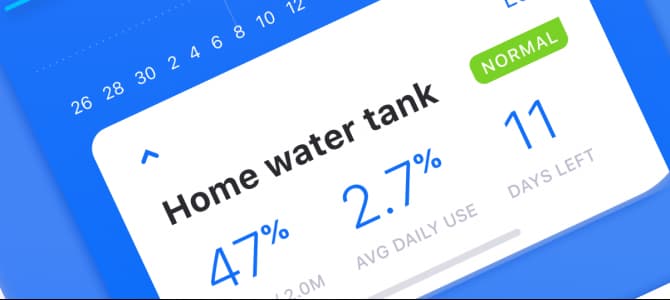
Remote monitoring systems utilise sensors installed in rainwater tanks to collect real-time data on various parameters such as water levels, pressure, and temperature. These sensors transmit the data to a central monitoring system, which can be accessed remotely via a smartphone or computer.
The continuous stream of real-time data allows users to monitor their water tanks from anywhere, providing peace of mind and eliminating the need for manual checks. This constant oversight ensures that any issues can be identified and addressed promptly.
User-Friendly Interfaces
Modern remote monitoring systems come with user-friendly interfaces that make it easy for users to access and interpret the data. These interfaces provide visual representations of water levels and other parameters, allowing users to quickly understand the status of their tanks.
In addition to real-time data, these systems often include historical data and trend analysis features. This enables users to track changes over time and make data-driven decisions about water management.
Automated Alerts and Notifications
One of the standout features of remote monitoring systems is their ability to send automated alerts and notifications. Users can set thresholds for various parameters, and the system will send notifications if any parameter falls outside the predefined range.
For example, if the water level drops below a certain point, the system can send an alert to prompt a refill. Similarly, if a leak is detected, the system can notify the user immediately, allowing for swift action to prevent water loss and potential damage.
Selecting the Right Remote Monitoring System
Assessing Your Needs
Choosing the right remote monitoring system for your rainwater tank involves assessing your specific needs and requirements. Consider factors such as the size of your tank, the parameters you want to monitor, and any additional features you may need.
For smaller tanks, a basic system that monitors water levels may be sufficient. However, for larger tanks or more complex setups, you may need a system that offers additional features such as pressure and temperature monitoring, trend analysis, and automated alerts.
Compatibility and Integration
Ensure that the remote monitoring system you choose is compatible with your existing setup. Some systems may require specific sensors or equipment, so it's essential to verify compatibility before making a purchase.
Additionally, consider how the system integrates with other smart home or property management systems you may have. Seamless integration can enhance the overall functionality and ease of use of your remote monitoring setup.
Budget Considerations
Remote monitoring systems come in a range of prices, so it's essential to consider your budget when making a decision. While more advanced systems may offer additional features, they can also come with a higher price tag.
However, it's important to weigh the initial investment against the potential cost savings and benefits. In many cases, the long-term savings from reduced water loss and damage prevention can justify the initial expense.
The real-world benefits
The benefits of remote monitoring go beyond the obvious. Yes, it saves time. Yes, it reduces the need for physical tank checks. But the deeper value is decision quality.
Here is what that looks like in practice:
- A farmer can see whether irrigation demand is exceeding rainfall recharge.
- A homeowner can spot a tank that is draining faster than normal.
- A business can avoid service interruptions caused by low supply.
- A property manager can reduce truck rolls and site visits.
- A site with multiple tanks can compare patterns across buildings or zones.
Water New Zealand research into rainwater tanks has highlighted that the local cost of rainwater supply can be low, while the wider societal benefits can be strong. That reinforces the idea that rainwater storage is not just an individual convenience. It is part of a broader resilience conversation.
How remote monitoring supports conservation
A well-monitored tank encourages better behaviour because users can respond to actual conditions, not assumptions. If the tank is fuller than expected, people may use water more confidently. If it is lower than expected, they can adjust quickly.
This matters in dry weather, but it also matters during wetter periods. Monitoring helps users understand how much rainfall they are actually capturing and whether their tank capacity is being used efficiently. It also supports maintenance, because unusual patterns can alert users to leaks or system faults before water is lost.
This is where smart tank monitoring has a competitive edge over old-school manual systems. Manual checks can miss trends. Remote systems create a time series of behaviour, which is much more useful for planning.
Why tank ownership should be part of the conversation
For people who do not yet have a tank, 2026 is a good year to think seriously about one. If you can store winter rainfall, you reduce the chance of starting summer empty or underprepared. That is especially relevant if El Niño conditions increase the chance of a drier season in some regions.
Building Performance’s current guidance on collecting and using rainwater explains that larger tanks are often needed in dry-summer regions, especially if rainwater will be used indoors or as the sole water source. That means tank sizing should be approached strategically, not casually.
Here at Smart Water, our message is not simply “buy a tank.” It is “build a system that lets you store, see, and manage water before the dry months arrive”.
Smart Water Tank Monitoring System
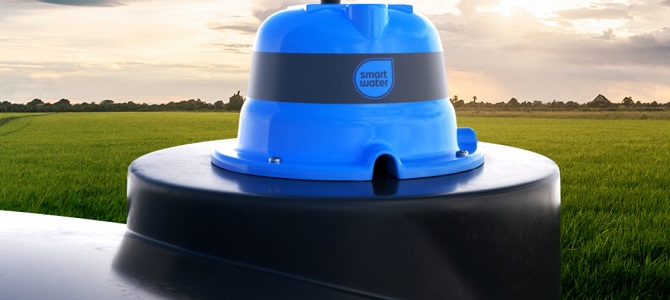
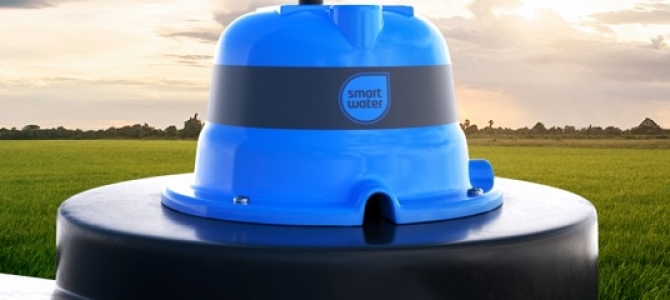
At Smart Water, we have engineered a Water Tank Monitoring System that is not only state-of-the-art but is also easy to install and affordable. Boasting the latest wireless technology, powerful LoRa wireless communications give the system the horsepower to overcome the most challenging installations. Line of sight ranges of up to 25km have been achieved in testing.
All components contained in our water tank level indicator kit have been engineered to extremely high-quality standards. As the leader in the research and development of water tank monitoring systems, Smart Water ensures its products are designed for continual long-term use against the most extreme environments. Marine grade UV resistant materials are used throughout and we back this up with a comprehenive 2 year warranty.
A lot of competitors talk about monitoring, but fewer explain why visibility matters across multiple tanks, different property types, and changing weather conditions. Our SW900 series is the result of more than 10 years of research and innovation, with research, development, and manufacturing all based in Auckland. We understand the local environment here in New Zealand, but we also understand how this applies to other countries around the world, expanding our expertise and experience beyond New Zealand.
To learn more about Smart Water, our business, the people behind the business, as well as discovering what our customers think of our products, check out some of these key pages below and discover the story around one of the world’s best-selling water tank level indicator systems:
Our Smart Water Tank Monitoring System can monitor up to twelve separate tanks making them practical for commercial use as well as domestic. Available in The USA, Canada, New Zealand, Australia and the Bahamas, the Smart Water system is one of the leading water tank monitoring systems in the world.
Future Trends and Innovations in Rainwater Tank Monitoring
Integration with AI and Machine Learning
As technology continues to evolve, future remote monitoring systems are expected to integrate with Artificial Intelligence (AI) and Machine Learning (ML). These advancements will enable systems to analyse data more effectively and make predictive recommendations.
For example, an AI-powered system could analyse historical data and weather forecasts to predict future water needs and automatically trigger refills or adjust irrigation schedules. This proactive approach will further enhance the efficiency and effectiveness of water management.
Enhanced Connectivity and IoT Integration
The Internet of Things (IoT) is set to play a significant role in the future of remote monitoring. Enhanced connectivity and IoT integration will enable more seamless communication between devices and systems, providing a more comprehensive and integrated approach to water management.
For example, remote monitoring systems could be integrated with smart home devices, allowing users to control and manage their water tanks through voice commands or automated routines. This increased connectivity will make remote monitoring even more convenient and user-friendly.
Sustainable and Eco-Friendly Solutions
Future innovations in remote monitoring are also expected to focus on sustainability and eco-friendliness. This includes the development of energy-efficient sensors and systems that minimize environmental impact.
Additionally, future systems may incorporate renewable energy sources such as solar power, further enhancing their sustainability credentials. These advancements will align with the values of eco-conscious homeowners and property managers committed to sustainable living.
Conclusion
Remote monitoring of rainwater tanks represents a significant advancement in water management technology. By providing real-time data, automated alerts, and user-friendly interfaces, these systems offer numerous benefits for eco-conscious homeowners, property managers, and sustainability enthusiasts.
From cost savings and efficient water use to enhanced sustainability, remote monitoring systems play a crucial role in promoting responsible water management. As technology continues to evolve, future innovations will further enhance the capabilities and benefits of these systems, making them an indispensable tool in the quest for sustainability and efficiency.
If you're ready to take your water management to the next level, consider investing in a remote monitoring system for your rainwater tank. Join the growing community of users who are harnessing the power of technology to safeguard a precious resource and ensure a sustainable future.
Frequently Asked Questions
What is a rainwater tank remote monitoring system and how does it work?
A rainwater tank remote monitoring system uses sensors to track water levels, pressure, and temperature in real-time. Data is sent to a smartphone or computer, allowing users to monitor their tanks from anywhere, receive automated alerts, and make informed decisions to optimize water use and prevent leaks.
What are the benefits of using remote monitoring for rainwater tanks?
Remote monitoring systems provide efficient water use, cost savings, and enhanced sustainability. They help detect leaks early, reduce manual checks, save time and money, and support eco-friendly water management practices for homeowners and property managers.
How do I choose the right remote monitoring system for my rainwater tank?
When selecting a system, consider your tank size, the parameters you want to monitor (e.g., water levels, pressure, temperature), compatibility with existing equipment, and your budget. Advanced systems may offer features like automated alerts, trend analysis, and integration with smart home devices.
Why is it especially useful in 2026?
Because changing weather patterns and El Niño risk make water availability less predictable, so early visibility helps people plan ahead.
Can remote monitoring help detect leaks?
Yes. If a tank level drops faster than expected, that can be a sign of a leak, abnormal demand, or equipment issue.
Should I consider installing a rainwater tank now?
If your property depends on water security or may face drier months ahead, now is a good time to invest so you can collect rainfall during wetter periods.
Is Smart Water suitable for multi-tank properties?
Yes. Smart Water’s system can monitor up to 12 tanks, which makes it suitable for more complex sites.
Post first published 12 July 2024 and last updated 11 June 2026