 Shopping Cart
08 June 2026
El Niño in 2026: Why Now Is the Time to Track Tank Water and Plan Ahead
El Niño is likely to influence weather patterns across New Zealand and the rest of the world over the next 12 months, with a greater risk of warmer, drier conditions in some regions and more pressure on water supplies. For homes, farms, and businesses that rely on tank water, the most practical response is to monitor both tank levels and usage now, while winter rainfall can still be harvested and stored for the drier months ahead.
Why El Niño matters now
El Niño is a naturally occurring climate pattern that shifts rainfall, wind, and temperature patterns around the world, including in New Zealand. In New Zealand, El Niño tends to bring stronger westerly winds in summer and southwesterly winds in winter, which can contribute to drier conditions in eastern areas and lower rainfall in some regions.
In June 2026, the signal is strong enough that national forecasting agencies are warning of likely El Niño development over winter, with NIWA’s Seasonal Climate Outlook indicating about a 95 percent chance of El Niño conditions emerging over the June to August 2026 period. That is not a certainty of drought, but it is enough of a risk signal that water planning should begin now.
For those who rely on tank water, whether at home or commercially, this matters because climate risk is not abstract. It affects whether tanks fill, how fast they empty, and how confidently a household or business can manage through a dry spell.
The water impact on tank users
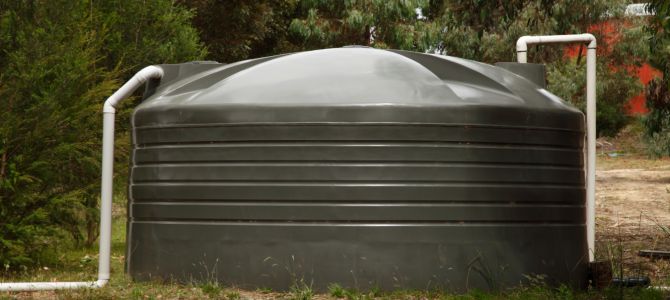
Tank water users are often the first to feel the effects of a dry season because their supply depends on recent rainfall, catchment area, and storage capacity. If rainfall is below average during winter or spring, tanks may enter summer already under pressure.
That creates a simple but important problem. If you do not know how full your tanks are, and you do not know how quickly they are being used, it is hard to decide when to conserve, when to refill, and whether to invest in additional storage. In other words, the lack of visibility is often more costly than the weather itself.
This is where smarter monitoring becomes essential. A tank level indicator gives you the current water level, while usage tracking helps you understand whether water is being consumed normally or whether something has changed. That combination gives homes and businesses a much better chance of making informed decisions before a dry spell becomes a supply problem.
Read more: What is a water tank level indicator and why is it essential?
Why winter is the investment window
A common mistake is waiting until restrictions start before thinking about storage. By then, the window to capture the wetter months has already narrowed. Winter and early spring are the best times to prepare because rainfall is still available to fill tanks before the hotter, drier months arrive.
That is especially relevant for New Zealand, where current weather outlooks suggest the coming months may be drier than average in many areas if El Niño strengthens. For households and businesses without a tank, this is the time to consider one. A new tank installed now can start collecting winter rainfall and build resilience before demand rises later in the year.
For properties that already have tanks, the opportunity is to optimise existing storage. That might mean checking whether the tank is big enough, whether the system is being monitored properly, and whether usage patterns could be improved. In a drying climate, better management can be just as valuable as more storage.
How monitoring changes behaviour
Water monitoring is not just a technical upgrade. It changes behaviour. When people can see how much water they have and how quickly they are using it, they tend to make better choices.
For homes, that might mean delaying non-essential outdoor watering, spacing out laundry loads, or switching to more water-efficient habits when tank levels drop. For farms and businesses, it can support more disciplined irrigation, better process planning, and fewer surprises if weather turns dry.
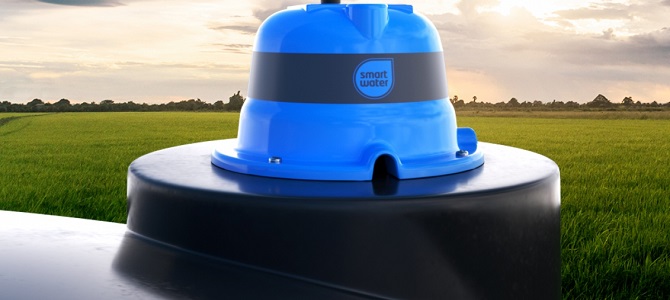
Smart Water’s systems are useful here because they are designed to monitor tank levels and support remote visibility across multiple tanks, with expansion options for more complex sites. That means users are not just reacting to weather forecasts. They are watching their own storage in real time and making decisions based on evidence.
Read more: The Importance of Water Tank Level Indicators in Climate Change
Why consumption matters too
Many people only think about how much water they have. Just as important is how fast they are using it. If tank levels are dropping faster than expected, that can indicate overuse, a leak, an irrigation issue, or a seasonal mismatch between demand and supply.
Consumption awareness is especially important for farms and commercial properties, where water use can change quickly and large volumes can disappear before anyone notices. Real-time monitoring helps users spot unusual drawdown early and adjust before the situation becomes critical.
This is also where Smart Water’s value proposition is stronger than a simple gauge or visual indicator. Our modular system can monitor up to 12 tanks and expand as property needs change, which supports users who want a more complete picture of water storage and use. That level of visibility is a real differentiator in a market where many solutions focus only on tank fullness rather than ongoing consumption.
Climate context beyond New Zealand
Although this post is written with New Zealand in mind, the same logic applies across Australia and parts of the USA. El Niño is a global climate signal, and its impacts are often felt through warmer temperatures, altered rainfall, and changes in seasonal water availability.
In the USA, NOAA notes that El Niño can influence flooding and rainfall patterns, while also contributing to water stress in some regions depending on local conditions. In Australia, water-restriction rules and drought management remain a live issue, and many areas explicitly treat rainwater collected in storage tanks differently from mains supply when restrictions are in place. That makes storage, monitoring, and demand management relevant well beyond one country.
The common thread is resilience. No matter the market, households and businesses that rely on stored water are better off when they know how much they have, how fast it is being used, and how much they can harvest during wetter periods.
Read more: 8 Ways Rainwater Harvesting Can Benefit American Farmers, Homeowners, and Property Owners
Why this matters
A lot of climate or water-conservation content stops at the forecast. That is not enough. People do not just need to know that El Niño may bring dry weather. They need to know what to do next.
The underused opportunity is combining weather awareness with water intelligence. That means:
- Monitoring tank levels continuously.
- Tracking consumption trends over time.
- Planning storage upgrades before summer.
- Using winter rainfall to build a buffer.
- Setting household or site-specific thresholds for action.
This is where Smart Water can speak to a more practical audience than most climate content does. The message is not fear. It is preparation. The businesses that will stand out are the ones that connect climate risk to an actionable product solution.
Why Smart Water is well placed
Smart Water is an award-winning New Zealand business with research, development, and manufacturing based in Auckland. Our SW900 series is the result of more than 10 years of research and design, and our broader product range is built to support multi-tank monitoring, remote access, and expansion as needs grow.
That matters because buyers in New Zealand, Australia, and the USA are looking for practical products that can help them manage a more variable climate. They want solutions that are easy to use, reliable, and scalable. They also want a supplier that understands tank water from both a technical and a real-world perspective.
If you are thinking about whether your property is ready for the next 12 months, the best starting points are:
This makes it easier to compare options, understand the company, and choose the right setup before demand tightens.
Practical steps to take now
The best time to act is before tanks start running low. If you already have a tank, check the current level, estimate how much rain the site can still capture this season, and review how much water your household or business uses each week.
If you do not have a tank, this is the time to consider one. A tank installed now can collect winter rainfall and provide a buffer against restrictions or dry weather later in the year. Even if you are unsure about size or setup, the earlier you begin planning, the more options you have.
The goal is not to predict the exact weather outcome. The goal is to be prepared for a reasonable risk. In climate planning, that is usually the smarter move.
Conclusion
El Niño is a warning signal that should change how people think about water over the next 12 months. For tank water users, the message is straightforward. Monitor what you have, understand how fast you are using it, and use the wetter months to build a more resilient supply.
For homes, farms, and businesses in New Zealand, Australia, and the USA, that means treating water storage as a planning priority now, not later. Smart Water’s monitoring systems are well suited to that approach because they help turn tank water into something measurable, manageable, and easier to act on.
FAQs
What is El Niño?
El Niño is a climate pattern in the Pacific that changes wind, rainfall, and temperature patterns around the world.
How could El Niño affect New Zealand water supply?
In New Zealand, El Niño often means drier conditions in eastern areas and lower rainfall in some regions, which can reduce refill rates for tanks and increase water stress.
Why should tank water users pay attention now?
Because winter rainfall is still available to harvest, and once dry conditions intensify, it becomes harder to build water reserves.
How does a tank level indicator help?
It shows how much water is stored, so households and businesses can make better decisions about use, conservation, and refilling.
Why does consumption tracking matter?
Knowing how fast water is being used can reveal leaks, unusual demand, or a need to change habits before the tank runs too low.
Should people without a tank consider getting one?
Yes. If El Niño brings drier conditions over the next year, a tank can help buffer against restrictions and provide more resilience through the dry season.
Where can I learn more about Smart Water?
You can review the products, starter packs, about us, testimonials, and where to buy pages.