
 Shopping Cart
15 January 2026
Should you wash your car when it is raining?

Yes, it’s usually fine and often beneficial to wash your car when it’s raining, especially in low-pollution regions like New Zealand. Rainwater is naturally soft and can help reduce water spotting, save time, and conserve water. For best results, use filtered rainwater collected in a tank, avoid washing near roads during heavy rain, and ensure post-rinse drying if conditions are cool or windy.
Introduction
The debate over washing your car in the rain continues, but the science and experience now point to a clear answer: washing your car in the rain can be smart and sustainable, depending on local conditions.
While some worry about pollution or acid rain, others note that rainfall offers a natural, soft-water rinse that reduces spotting and conserves water. In most parts of New Zealand, rainwater is clean and safe for car washing. The same logic applies in much of Australia and rural parts of the UK.
This updated guide explores the real pros and cons of washing your car in the rain in 2026, based on current environmental data, sustainability insights, and car care recommendations, and provides practical tips for collecting rainwater for vehicle maintenance.
Why You Should Wash Your Car in the Rain
Washing your car in the rain has several practical advantages, particularly in warmer climates like New Zealand’s North Island or during summer months.
Direct sunlight can quickly dry soap or hard water on the paint surface, leaving streaks, residue, or even etching that damages paint over time. Studies by automotive coating experts (source: PPG Coatings Research, 2024) confirm that rapid water evaporation on hot panels accelerates mineral spotting.
Rain naturally moderates this process, allowing for an even rinse and eliminating the need to rush through washing stages.
Benefits of washing your car in the rain
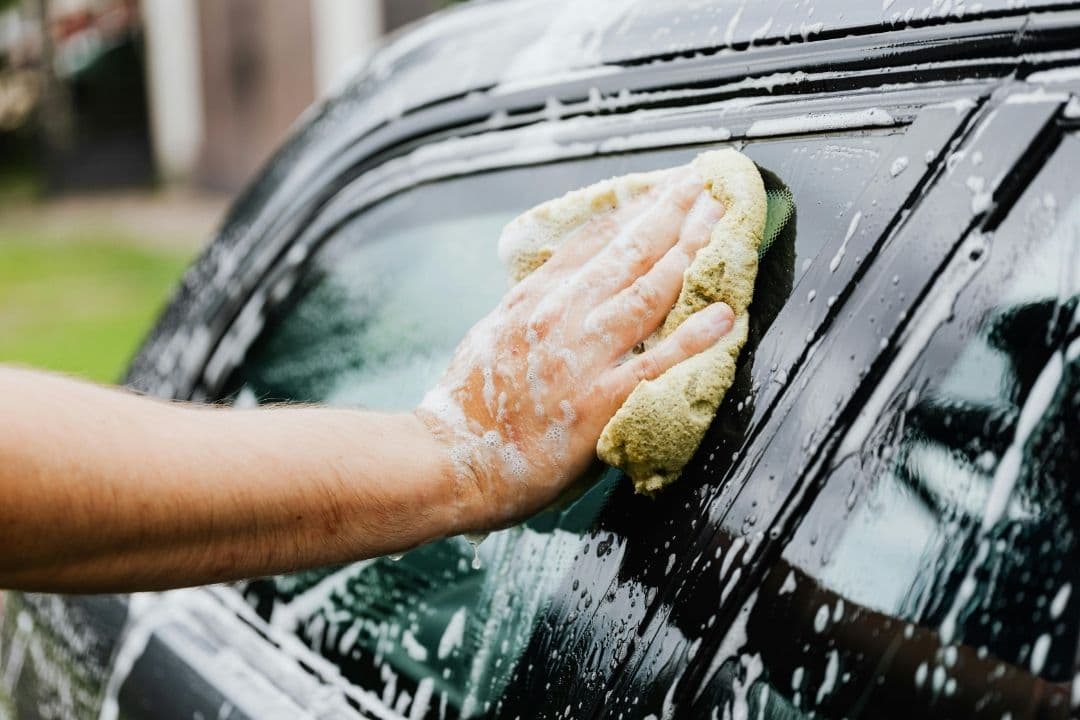
As well as the obvious issues you avoid of not washing your car in the sunshine and heat, washing your car in the rain also has some other benefits that make it more appealing:
1. It is a natural pre-rinse
For those who take their car washing seriously, pre-rinsing your car is an important step in the cleaning process. It helps to remove any dust and loose impediments, and also creates a slick surface for you to apply your shampoo. This helps to reduce swirl marks in the long run and is an important step in the car washing process.
Rainwater provides a gentle, free pre-wash. Because it’s naturally soft, lacking minerals like calcium and magnesium found in hard tap water, it minimises the risk of lime-scale residue.
When washing your car in rainy conditions:
- Rain helps loosen dirt and debris before you touch the paintwork.
- It creates a lubricated surface that reduces micro-scratches and swirl marks.
- You can save up to 50–70 litres of water compared with a traditional garden hose wash (source: EECA Water Conservation Report, 2023).
This aligns with Smart Water’s sustainability ethos - every drop saved matters, particularly for households reliant on tank water systems.
2. It reduces the chance of water spotting
Water spots form when mineral-rich droplets evaporate on the car’s surface. Because rainwater is softer and less mineral-dense, and the environment is cooler during rain, spotting becomes far less likely.
Washing in light or steady rain allows a near-continuous rinse cycle. Your car shampoo and contaminants are gently diluted and removed before they can dry, keeping the finish streak-free.
Car detailing forums and workshops increasingly recommend this “wet-detail” method as a safer option for home washers than washing in full sunlight.
3. It helps to wash off the shampoo
Rain acts like an automatic rinse cycle while you wash. As you move around your car, the rainfall assists in clearing away remnants of soap. This not only saves time but also prevents streaking.
From a water-efficiency perspective, the benefits are considerable:
- Reduces rinse-water use by up to 30 per cent.
- Decreases dependency on mains water.
- Makes washing more feasible during urban water restrictions.
Pairing rainfall with Smart Water’s tank level monitoring systems can help you track and optimise your household water use for sustainable car care.
Drawbacks of washing your car in the rain
While generally beneficial, there are certain conditions where washing your car in the rain isn’t ideal.
1. Acid rain or air pollution
In highly urbanised areas or near industrial zones, rainwater can contain acidic compounds such as sulfuric and nitric acids formed from fossil fuel emissions. According to the World Bank Environmental Indicators, 2025, acid rain incidents have declined considerably in many developed regions, but may still occur near heavy manufacturing regions.
If you live in such an area, keep these tips in mind:
- Avoid letting acid rain dry on your paint.
- Apply a protective ceramic or polymer coating to resist contaminants.
- Use collected and filtered rainwater instead of direct runoff if pollution levels are high.
In most parts of New Zealand, the risk remains minimal thanks to cleaner air quality compared to global averages.
2. Muddy puddles and surface spray
f you wash your car at home in the rain and it then sits on the driveway, this is less of an issue, however, if you choose to head to the car wash when it is raining, then muddle puddles and surface water could be an issue.
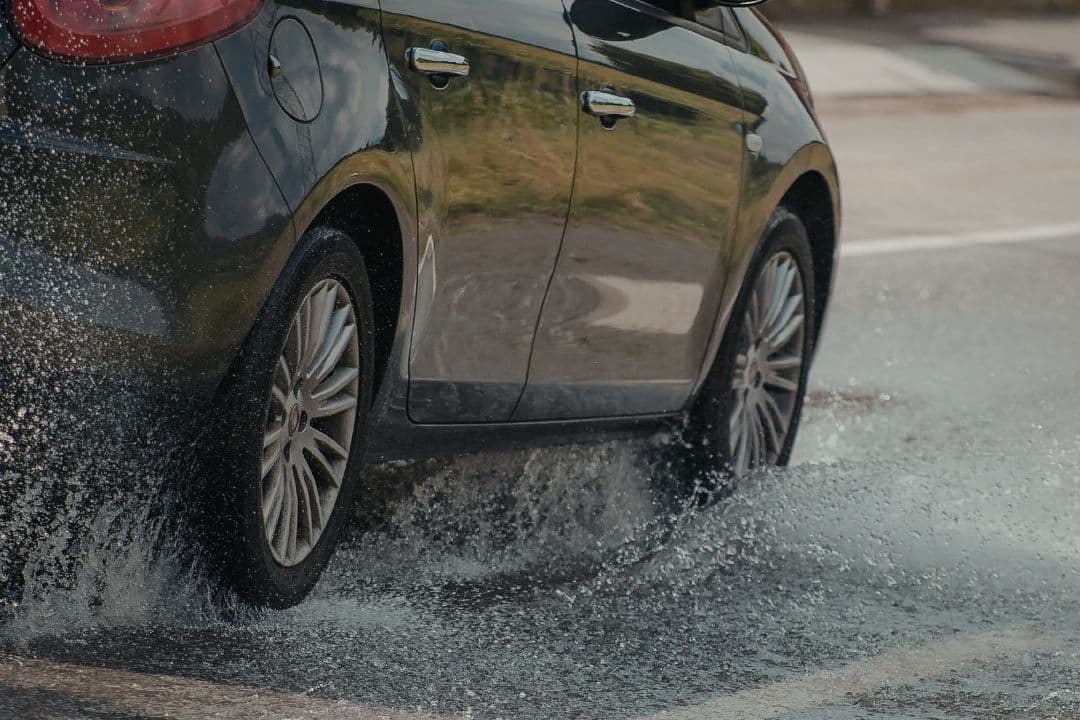
As your drive home in your newly cleaned car, there is a good chance you will get surface spray splashing up onto your vehicle, certainly on the underside and under your wheel arches. This could make your car dirty again almost as soon as your drive out of the car wash.
The road is full of all sorts of dirt, debris, salt, oil and other contaminants and once it is wet, these are sprayed up onto your vehicle, defeating the object of cleaning it in the first place.
For driveway washing:
- Wait until rainfall stabilises.
- Avoid washing near road spray zones.
- If you must drive soon after, rinse again briefly once the roads dry.
If you’re using a professional car wash, opt for a touchless or soft-cloth bay with an underbody rinse to remove any road film.
3. People think you are a bit mad
It might look eccentric standing outside in wet weather washing your car, but it’s surprisingly efficient and even enjoyable once you accept getting soaked is part of the job.
Practical tip: wear swimwear or quick-dry sports gear to stay comfortable. After all, it’s water either way.
The sustainability bonus and streak-free finish can make it worth the puzzled looks from your neighbours.
Is rainwater collected in a tank good for washing cars?
Yes. In fact, filtered rainwater from a tank is often better than fresh rainwater from the sky due to controlled collection and sediment filtering.
Most modern tank systems, like those fitted with Smart Water’s water level indicators, include filter stages that remove organic matter, pollen, dust, and bird droppings before the water enters storage. This ensures clarity and safety for cleaning tasks.
If your tank is used only for non-potable purposes such as gardening or car washing, a simple mesh or sediment filter setup will usually suffice.
However:
- Check your tank filter annually.
- Keep gutters clean to prevent bacteria buildup.
- Flush tanks after long dry spells before using the first few rainfalls.
Rainwater remains ideal for exterior rinsing, making it a low-cost, sustainable choice. According to Stats NZ 2025 Household Water Use Survey, over 18% of rural households use rainwater tanks for car and outdoor cleaning, helping offset mains water dependence.
We often get asked the same question when it comes to laundry and whether or not rainwater is clean for laundry. The simple answer to that one is also a resounding yes in most places in the world. You can read our blog about rainwater and laundry and learn more.
For further reading, see our latest guide: Collecting and Using Rainwater in New Zealand: A Beginner’s Guide.
Collecting rainwater in New Zealand
Rainwater harvesting continues to play a vital role in sustainable living across New Zealand. Many homes outside major cities rely almost entirely on tank systems.
Using that collected water for car care isn’t just practical; it supports water conservation goals aligned with New Zealand’s National Policy Statement for Freshwater Management (NPS-FM).
When paired with Smart Water’s digital water tank level indicators, you can monitor your usage in real time, anticipate refill needs, and ensure efficient water use.
Modern systems allow smartphone tracking and alerting for optimal water conservation; a perfect fit for households invested in sustainability or those on shared tank networks.
FAQ: Washing your car in the rain
Will rainwater damage my car paint?
In most cases, no. Rainwater in clean-air regions like New Zealand or rural Australia is soft and neutral. To avoid issues, apply a wax or ceramic coating every 3–6 months for added protection.
Does washing my car in the rain save water?
Yes. You can save tens of litres per wash by using rainfall as your pre-rinse and rinse stage. Combining rain and tank water use cuts mains water consumption significantly.
Is acid rain still a problem today?
In 2026, acid rain events have decreased globally thanks to reduced sulphur emissions, but localised risk still exists near industrial centres. Use filtered or tanked rainwater in those areas.
Can I wash my car during heavy storms?
It’s better to wait for steady or light rain. Heavy storms can cause dirty runoff, blow debris around, and make it hard to work safely.
What is the best Smart Water product for managing rainwater use?
Our Smart Water Digital Tank Level Indicators provide real-time monitoring to help you track your tank levels and make the most of every rainfall and every car wash.
Keeping your car clean and your water use smart go hand in hand. Visit Smart Water’s product range to explore tank level indicators and tools designed to help you get the most from every drop of rain.
This post was first published on 20 January 2023 and last updated 15 January 2026.